

Blog
The psychological effects of gambling understanding your mind's gamble

The psychological effects of gambling understanding your mind's gamble
The Allure of Gambling
The psychological effects of gambling can be captivating, drawing individuals into a world where the excitement of risk and reward creates a unique thrill. This allure often stems from the unpredictability associated with gambling. The possibility of winning a significant amount of money can trigger an adrenaline rush, which is a powerful psychological motivator. Many players find themselves entranced by the excitement, experiencing heightened emotions that can overshadow rational thinking. Furthermore, platforms like 1win provide an engaging environment that enhances this thrill.

Additionally, the social environment around gambling can enhance its appeal. Many individuals associate gambling with social interactions, whether in casinos or online platforms. This social aspect can create a sense of belonging or community, further compounding the psychological effects. The combination of excitement, community, and the potential for financial gain can create an addictive cycle that is hard to break.
The Role of Cognitive Biases
Cognitive biases play a significant role in the psychological landscape of gambling. One common bias is the illusion of control, where gamblers believe they can influence the outcome of games or bets. This false sense of control can lead to increased risk-taking behavior, as individuals may feel more confident in their decisions. This overconfidence can cloud judgment, making it challenging to recognize the inherent risks involved.
Moreover, the gambler’s fallacy is another cognitive bias where individuals mistakenly believe that past outcomes will influence future ones. For instance, if a player has experienced a series of losses, they might feel that a win is due, which can lead to further gambling. Recognizing these biases is essential for understanding how the mind can mislead itself in the context of gambling.
The Emotional Rollercoaster
The emotional highs and lows associated with gambling can have profound effects on mental health. Winning can lead to feelings of euphoria, while losing can result in despair or anger. This emotional rollercoaster can create a cycle where the need to chase wins becomes a compulsive behavior. Individuals may continue to gamble in hopes of recapturing those highs, leading to an escalation of gambling behavior.
In some cases, the psychological impacts of gambling can lead to mental health issues such as anxiety, depression, and stress. These effects can be compounded by financial difficulties resulting from gambling losses, creating a vicious cycle that is difficult to escape. Understanding these emotional ramifications is crucial for recognizing when gambling is becoming a problem.
Social Implications of Gambling
The social implications of gambling extend beyond the individual, affecting families and communities. When gambling becomes problematic, it can strain relationships, leading to conflicts and breakdowns in communication. Family members may experience stress and anxiety due to a loved one’s gambling habits, often feeling helpless as they witness the negative consequences unfold.
Moreover, communities can feel the repercussions of widespread gambling, as increased addiction rates can lead to higher demand for social services and support systems. The normalization of gambling in society can further exacerbate these issues, making it essential to address the psychological effects and promote responsible gambling practices.
Exploring Online Gambling Platforms
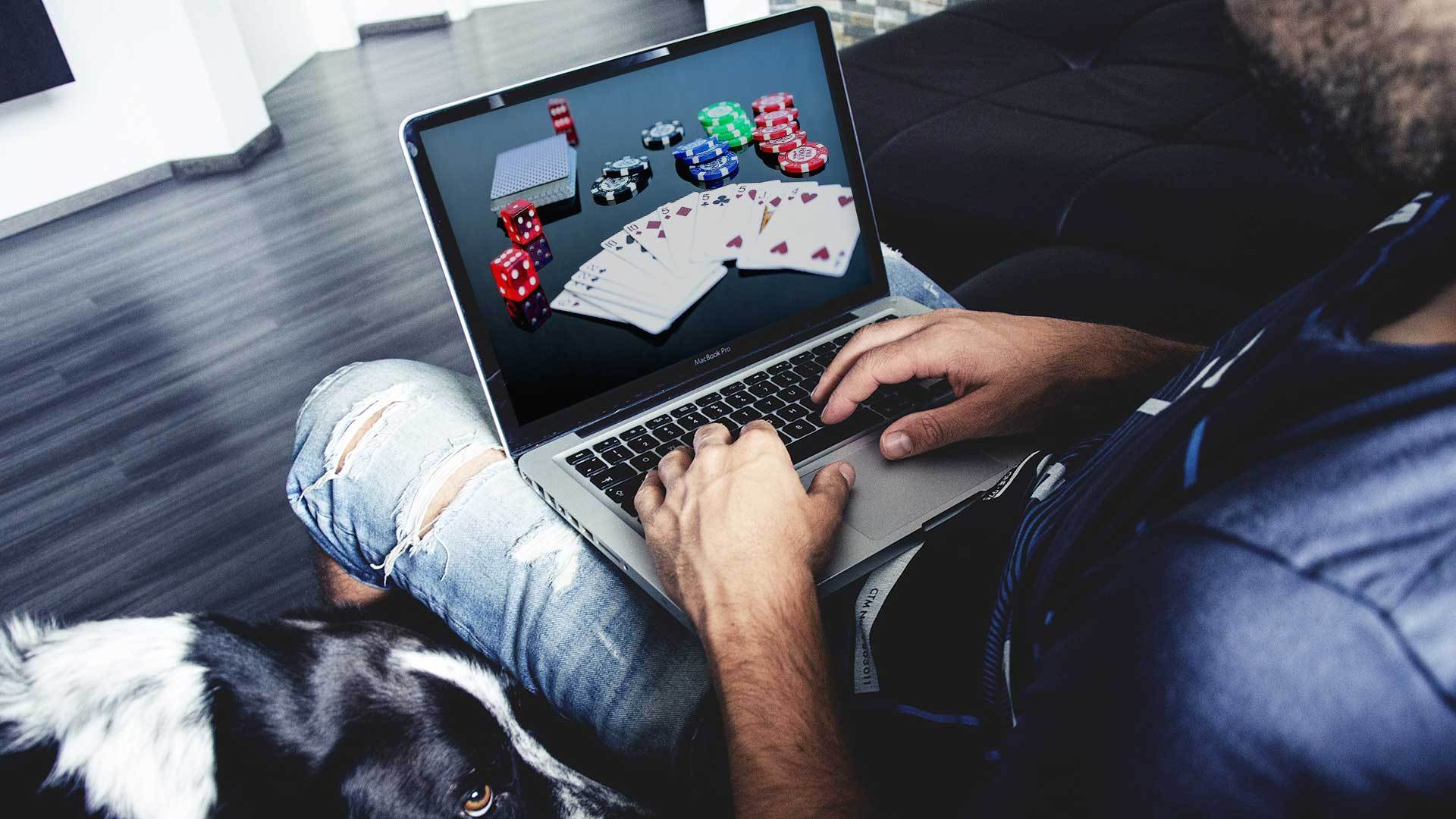
Online gambling platforms like 1Win offer a myriad of games and betting options, enhancing the appeal of gambling for many individuals. With a user-friendly interface and a wide variety of choices, players can engage in gambling from the comfort of their homes. However, while the convenience is enticing, it is crucial to remain aware of the psychological effects that such easy access can bring.
These platforms can amplify the risks associated with gambling, especially for those who may already struggle with impulse control. As players immerse themselves in online environments, the need for responsible gambling practices becomes increasingly important. Recognizing the potential psychological impacts can help individuals make informed decisions about their gambling habits and seek help when needed.